Triflic acid has significant advantages over sulfuric acid in various production activities, mainly due to its stronger acidity and higher reactivity. Due to the electron-attracting effect of the trifluoromethyl (CF₃) group, triflic acid is able to release hydrogen ions more readily, facilitating more efficient reactions, and is especially superior in synthesis reactions requiring strong acid cata
Purifying Tf2O is crucial to ensure its effectiveness in chemical reactions, especially in organic synthesis and pharmaceutical applications. By removing impurities, it helps prevent unwanted side reactions, ensures high product yield, and maintains the purity of final compounds. purifying triflic anhydride guarantees safety, consistency, and reproducibility in research and industrial processes.
Trifluoromethanesulfonic anhydride (triflic anhydride),abbreviated Tf2O, is generally considered stable under normal conditions but does have some important handling and storage considerations.
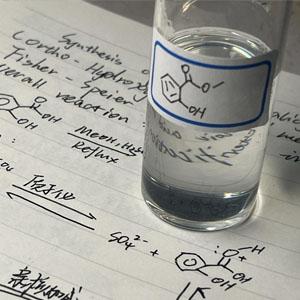
Improving the yield of esterification reactions requires careful optimization of several factors to enhance the efficiency and minimize side reactions or losses. Here are some strategies to improve esterification yields,by carefully controlling these factors, you can increase the esterification yield and reduce losses due to side reactions or incomplete conversion.
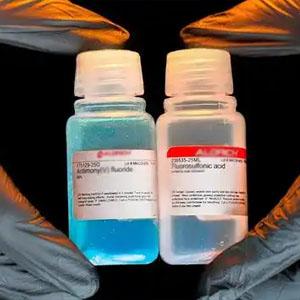
Trifluoromethanesulfonic acid (TFMS), also known as triflic acid, is a highly versatile and powerful compound used in various industries and applications due to its strong acidity and stability.Why is Triflic Acid hard to work with?
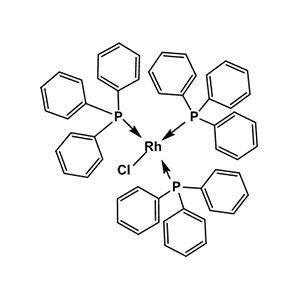
Wilkinson's catalyst, commonly represented as RhCl PPh3 3, is one of the most well-known and widely used catalysts in organic chemistry, particularly in hydrogenation reactions. Developed by Sir Michael Wilkinson in the 1960s, it has since played a crucial role in both academic research and industrial applications, particularly due to its high efficiency in hydrogenating alkenes and other unsatura
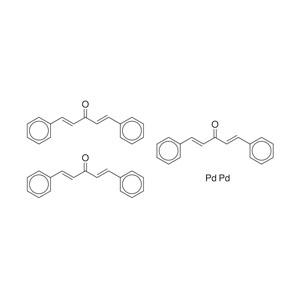
Pd₂(dba)₃, or tris(dibenzylideneacetone)dipalladium(0), is a widely used palladium complex in organic synthesis, particularly known for its role in catalyzing coupling reactions. As a key catalyst in reactions such as Suzuki coupling and Buchwald-Hartwig amination, Pd2dba3 plays a critical role in the development of advanced materials, pharmaceuticals, and agrochemicals.
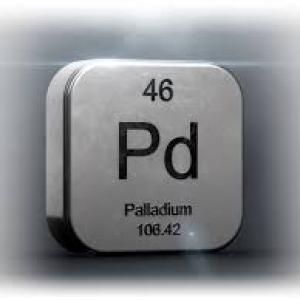
Palladium (Pd) is a precious metal whose compounds, such as palladium(II) oxide (PdO), palladium(II) chloride (PdCl₂), palladium(II) acetate (Pd(OAc)₂), and palladium(II) nitrate (Pd(NO₃)₂), are widely used in catalysis, the electronics industry, and chemical synthesis.
Overview of polyimide dianhydride applications across energy storage and separation, aerospace and high-temperature systems, electronics and microelectronics, flexible films, coatings, adhesives, and processing-oriented material selection.
Examine polyimide dianhydride monomers, their role in molecular architecture, classification, performance properties, industrial applications in electronics and aerospace, manufacturing considerations, and integration with other raw materials for adv






 English


